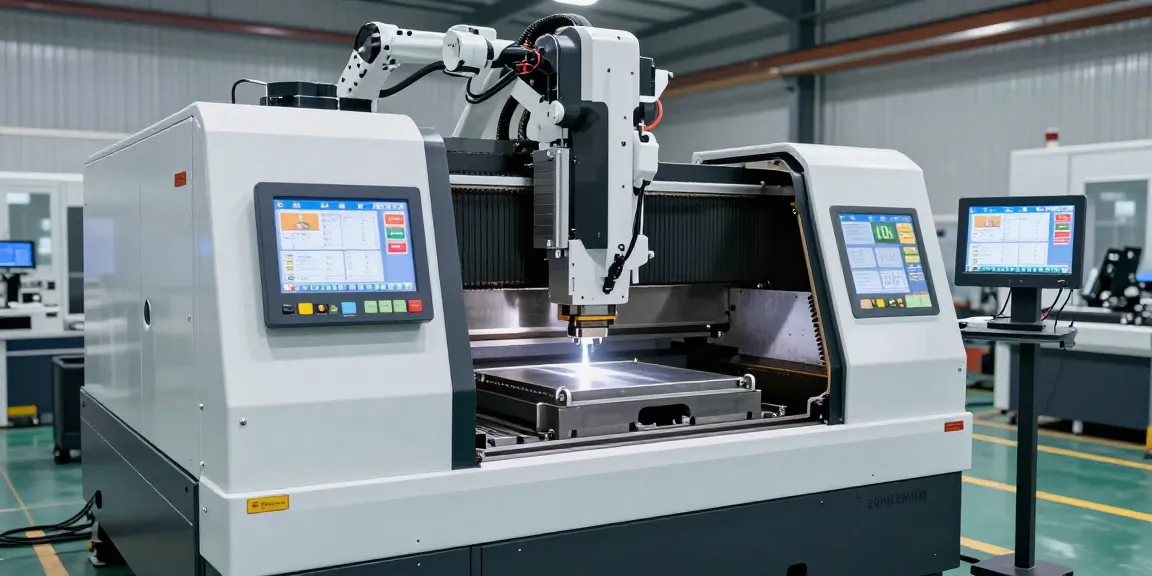
Understanding CNC Press Brake Machines
CNC press brake machines are pivotal in modern metal fabrication, enabling precise bending operations needed across various industries. As manufacturers demand higher accuracy and efficiency, the evolution of CNC technology plays a critical role in improving fabrication processes. The cnc press brake machine revolutionizes how metal sheets are shaped, providing benefits such as programmable bending, multi-axis control, and integration with advanced automation technologies.
What is a CNC Press Brake Machine?
A CNC press brake is a machine tool that uses a CNC (Computer Numerical Control) system to control the bending of metal sheets. This versatile machine offers high precision and repeatability through its programmed commands, eliminating the need for manual adjustments and minimizing human error. A CNC press brake consists of a hydraulic or electric drive mechanism, a bending tool, and a control system that can manage multiple axes, thereby allowing complex bending shapes to be achieved with ease.
Key Components of CNC Press Brake Machines
The key components of a CNC press brake machine include the following:
- Frame: Provides structural integrity to withstand high pressures during bending operations.
- Tooling: This includes the upper and lower dies that shape the metal according to the desired profile.
- Hydraulic System: Powers the ram motion and provides the necessary force to bend metal sheets.
- CNC Controller: Manages all operational parameters, including stroke length, bending angle, and timing.
- Backgauge: Positions the metal sheet accurately before bending.
How CNC Technology Enhances Metal Fabrication
CNC technology significantly enhances metal fabrication through improved control over various processes. By automating the bending process, CNC press brakes can execute complex patterns that would be difficult or impossible to achieve manually. The use of high-precision sensors and feedback mechanisms ensures that tolerances are consistently maintained, thereby optimizing quality and reducing waste. Additionally, advanced programming features allow for simple modifications in production runs, making it easier to switch between different projects without extensive downtime.
Types of CNC Press Brake Machines
Hydraulic vs Electric CNC Press Brake Machines
When selecting a CNC press brake machine, manufacturers can opt for either hydraulic or electric models. Hydraulic press brakes utilize hydraulic fluid to create the force needed for bending, which is particularly effective for heavy-duty applications. In contrast, electric press brakes use servo motors for enhanced energy efficiency and speed in lighter applications. The choice between hydraulic and electric systems will depend on the specific needs of the manufacturing environment, including factors like power consumption, force requirements, and production volume.
Choosing Between Servo and Hybrid Systems
Modern CNC press brake machines can also feature servo or hybrid drive systems. Servo systems offer precision control and energy efficiency, while hybrid systems combine the advantages of both hydraulic and electric operations. These innovations result in greater flexibility in bending operations and can lead to substantial energy savings, particularly for high-volume operations where continuous usage is common. Assessing the expected load conditions and desired operational efficiencies will guide manufacturers in selecting the most appropriate drive system.
Tandem Press Brake Machines: Efficiency & Precision
Tandem press brakes consist of multiple machines working in synchronization to handle larger or more complex parts that a single machine might struggle with. This configuration enhances efficiency and productivity by reducing cycle times and allowing for larger workpieces to be processed. Tandem systems are especially beneficial in high-volume production environments, where maintaining accuracy across large parts while optimizing throughput is paramount.
Performance Features of CNC Press Brake Machines
Precision Control with ESA S630 CNC System
The ESA S630 CNC system is a cornerstone of modern CNC press brake technology, allowing for granular control over multiple axes, including Y1, Y2 (for the ram), and X, R, V axes for backgauge and table crowning operations. This level of control is essential for achieving precision bending within tolerances as tight as ± 0.01mm. The system’s user-friendly interface, complete with a 10-inch color touch screen, simplifies the programming and data management processes involved in bending operations, making it accessible for both novice and experienced operators.
Automation Options and Their Benefits
Integration with automation technologies is rapidly becoming standard in CNC press brake machines. Automation options such as robotic companions and intelligent material handling systems enable shops to improve efficiency while reducing labor costs. These systems can seamlessly integrate with CNC controls to facilitate automatic setups, real-time monitoring, and adaptive learning to optimize bending parameters on the fly, thereby enhancing overall productivity.
Safety Features and Their Importance
Safety is paramount in operating CNC machines. Modern CNC press brakes are equipped with several safety features, including light curtains, safety doors, and automatic shut-off mechanisms that engage if an override condition is detected. These features ensure operator safety by preventing unintended machine movements and reducing the risk of accidents during operation. Regular safety audits and adherence to best practices in machine operation further enhance workplace safety.
Applications of CNC Press Brake Machines
Industries Benefiting from CNC Press Brake Machines
CNC press brake machines find applications across various industries, including construction, automotive, aerospace, and electronics manufacturing. They are essential for creating metal components ranging from sheet metal brackets to complex chassis parts. Their ability to manage diverse material types, including steel, aluminum, copper, and composites, makes them invaluable in the production environment.
Custom Solutions for Unique Fabrication Needs
Many manufacturers require custom solutions to fit unique design requirements. CNC press brakes excel in this area, allowing for tailored tooling and programming to meet specific project needs. Whether it’s a unique bending technique or specialty tooling, the flexibility of CNC technology ensures that manufacturers can adapt to changing market demands quickly.
Integrating with Robotics for Advanced Applications
The advancement of collaborative robots (cobots) and autonomous systems is increasingly driving the integration of CNC press brakes with robotic solutions. Robots can assist in loading, unloading, and repositioning parts, contributing to enhanced automation in the workflow. This integration can lead to faster cycle times and improved accuracy while reducing the physical strain on operators.
Purchasing a CNC Press Brake Machine: A Guide
Evaluating the Right Model for Your Needs
When considering the purchase of a CNC press brake machine, it’s crucial to evaluate various models based on the specific needs of the manufacturing operation. Factors such as needed load capacity, bending range, and desired features (like automation options) should all influence the buying decision. Besides technical specifications, a thorough assessment of the supplier’s support and warranty offerings can significantly impact the long-term satisfaction with the investment.
Understanding Cost Factors and ROI
The costs associated with CNC press brake machines can vary widely, driven by factors including size, specifications, and features. Understanding the return on investment (ROI) involves assessing how the machine’s capabilities can improve operational efficiency, reduce labor costs, and minimize waste. Engaging with manufacturers to gain insight into energy consumption and maintenance costs will further aid in making an informed decision.
Post-Sale Support and Maintenance Considerations
The post-sale support from manufacturers is critical for maintaining the longevity and performance of CNC press brake systems. Regular maintenance can prevent downtime and extend the operational life of the equipment. Evaluating the manufacturer’s service offerings, including training, technical support, and parts availability, is essential for ensuring ongoing satisfaction and operational success.
FAQs
What differentiates CNC hydraulic press brake machines from mechanical ones?
CNC hydraulic press brake machines provide programmable automation capabilities, allowing for greater precision and repeatability compared to traditional mechanical models. These automated systems reduce human error and improve overall productivity.
How can I ensure the longevity of my CNC press brake machine?
Regular maintenance, proper training for operators, and adherence to operational guidelines can significantly enhance the lifespan of your CNC press brake machine. Ensuring that components are checked and calibrated frequently is also essential for maintaining performance.
What are the latest trends in CNC press brake technology for 2026?
As we move deeper into 2026, trends in CNC press brake technology include increased integration with IoT for smart manufacturing, advancements in automation such as AI and machine learning capabilities, and the development of green technologies to enhance energy efficiency.